Absen Releases New White Paper Exploring Energy Efficiency in Outdoor LED Displays
Absen White Paper Highlights Energy Savings and Lifetime Costs of Outdoor LED Displays

Absen has released a white paper examining how outdoor LED displays can consume less electricity while maintaining brightness and visual performance, offering advertising operators a framework for assessing both energy efficiency and long-term operating costs.
The Outdoor LED Display Energy-Saving Technology White Paper focuses on a growing operational challenge for digital out-of-home (DOOH) media owners: balancing the visual demands of large outdoor screens with electricity consumption, cooling needs and maintenance expenses.
Its central argument is that energy efficiency requires improvements across the entire display system, rather than simply reducing screen brightness. For operators evaluating new installations or replacements, this shifts attention from the initial purchase price to the total cost of ownership over a display’s working life.
The report identifies five areas for improvement: energy-efficient LED light sources, optimized power conversion, artificial intelligence-based power control, fanless passive cooling and cloud-based energy management.
Absen’s IDES control technology adjusts power consumption according to content and operating conditions. More efficient power supplies reduce conversion losses, while passive cooling lowers the electricity required for conventional cooling systems. Cloud-based controls support centralized monitoring and energy management.
According to Absen, these technologies are integrated into its A25 Series outdoor displays, which can deliver overall energy savings exceeding 50% under the testing conditions described in the white paper. The figure is conditional on those tests and should not be treated as a guaranteed saving for every installation.
The financial analysis extends beyond electricity bills. Display size, daily operating hours, local electricity prices, cooling requirements and electrical infrastructure all influence the economics of an outdoor screen.
The white paper therefore evaluates potential savings in three areas: electricity consumption, power distribution infrastructure, and ongoing maintenance and operations. This approach gives buyers a broader basis for comparing products and estimating their potential return on investment.
International projects illustrate how the technology performs in different environments.
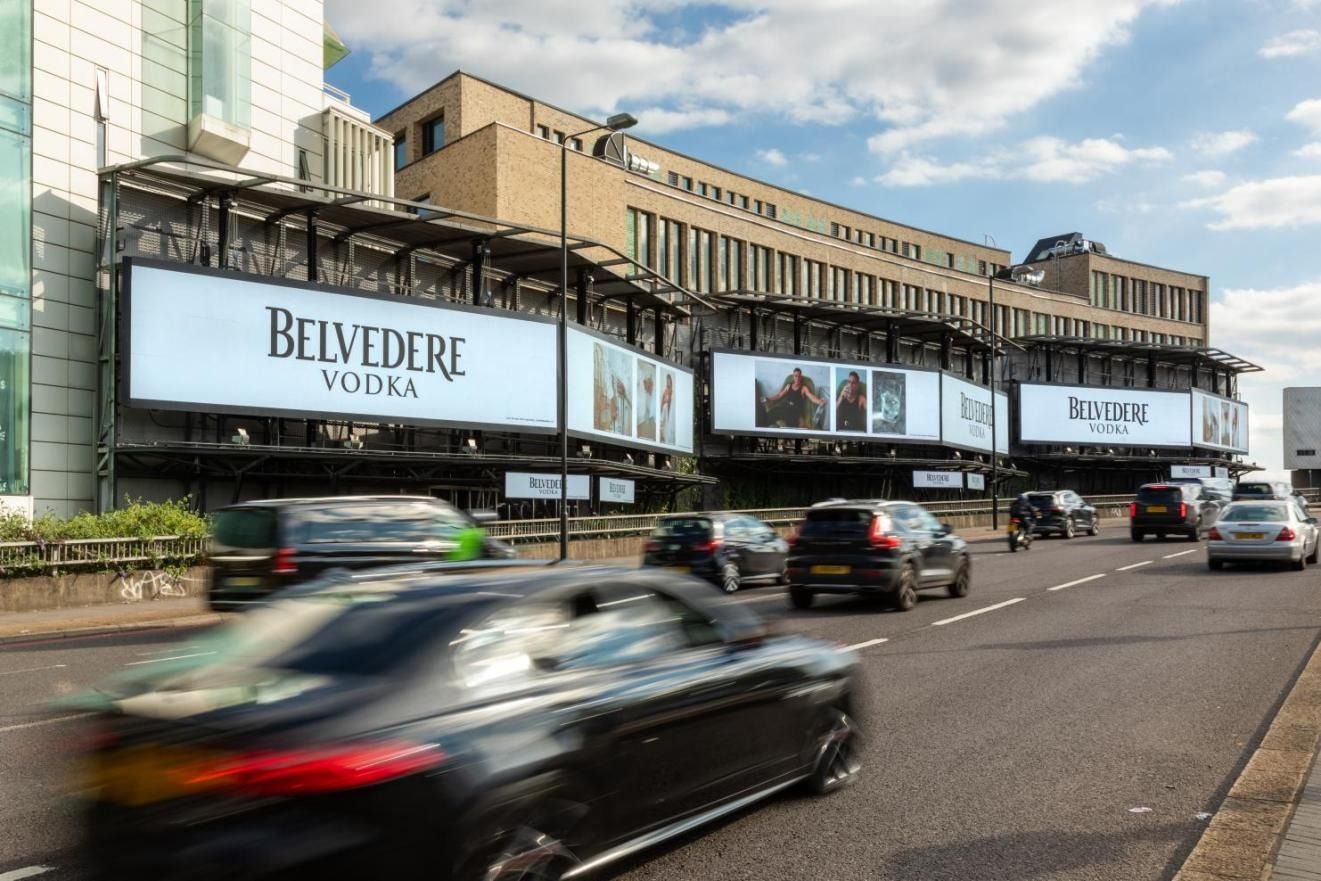
In the United Kingdom, Absen supplied more than 1,000 square metres of outdoor LED displays for Clear Channel transportation advertising projects across London and Manchester. According to the company, replacing existing digital billboards reduced total site energy consumption by approximately one-third. Absen also reports that the project received a TÜV SÜD Carbon Footprint Verification Report.
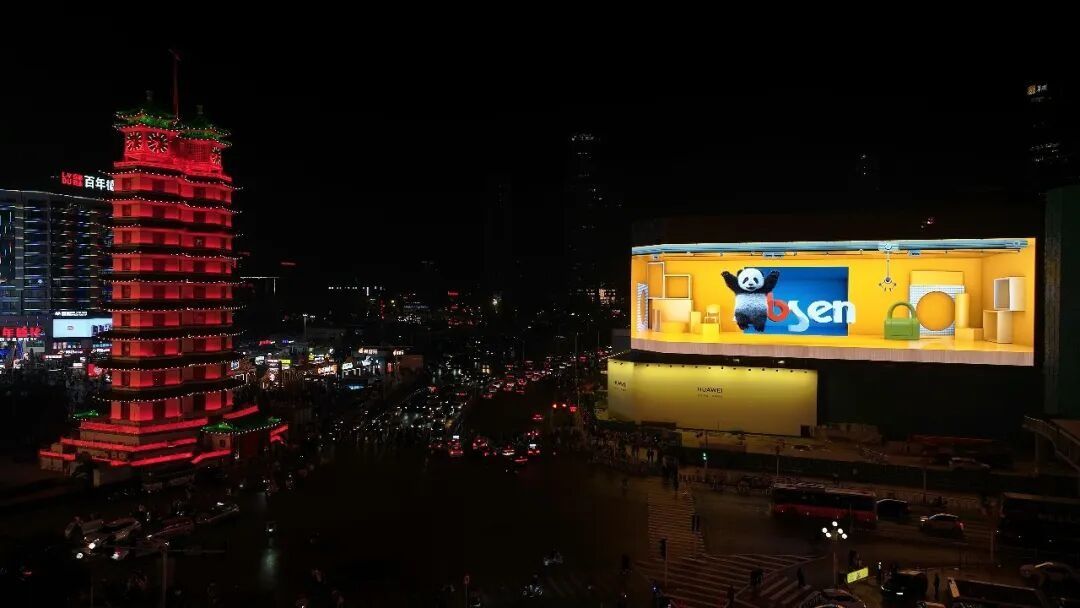
In Zhengzhou, China, a 2,588-square-metre installation reportedly achieves overall energy savings of more than 50% without external air-conditioning equipment. A separate 750-square-metre landmark display in Kuala Lumpur, Malaysia, delivers savings exceeding 50% under the reported operating conditions while serving a hot, humid environment.
These examples use different measures and operating conditions, so their savings figures should be assessed individually rather than compared directly.
For DOOH operators, the practical value of the report lies in connecting technical specifications with operating economics. A meaningful investment assessment requires a clear comparison baseline, expected operating hours and local energy costs.
Absen’s development roadmap includes further reductions in power consumption, low-power Micro LED technology and new energy management and storage approaches. The wider implication for outdoor media procurement is clear: brightness and screen size remain important, but lifetime energy performance also deserves close scrutiny.
한국 최초 글로벌 옥외광고 뉴스레터
세계 옥외광고 뉴스를 편하게 이메일로 받아 보는 법!